

Why sports organisations need an LTV mindset
Build direct fan relationships and assess acquisition, retention and customer value beyond a single event.
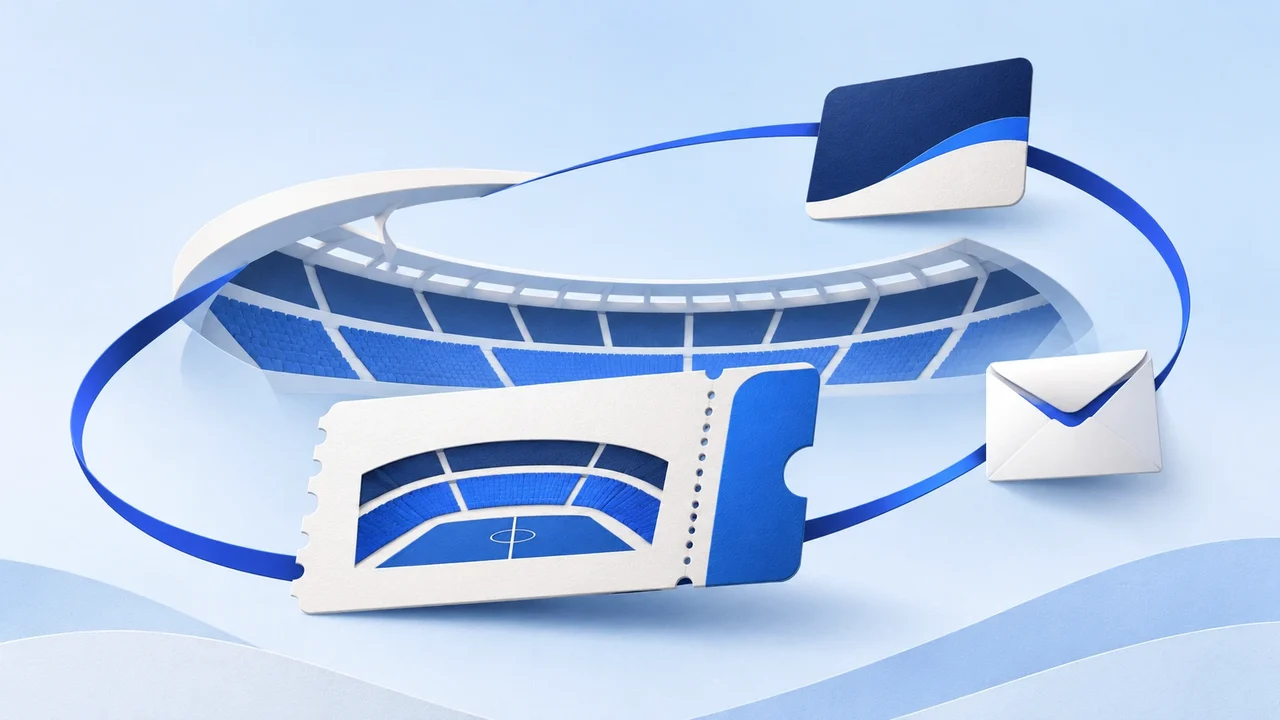
A ticket sale or subscription starts a relationship; it does not describe its full value. For a sports organisation, a lifetime-value mindset means considering how fans continue to participate and how the organisation can serve them over time.
Treat direct relationships as a capability
Media rights, commercial partnerships and distribution can remain important revenue sources. A direct-to-consumer approach complements them by developing the ability to understand and serve the audience through owned experiences.
That can include ticketing, memberships, subscriptions, commerce, event information and useful content. The point is not to move every interaction onto a proprietary platform. It is to decide which relationships matter enough to manage directly and how those experiences fit together.
Define what value means
Lifetime value is an estimate, not a guaranteed amount attached to every fan. Choose a clear definition and time horizon. Revenue, gross profit and contribution after service costs describe different things.
Separate customer groups with different behaviours. A local spectator, a remote subscriber and a participant may have different reasons to return. Understand repeat purchase, renewal, engagement and cost to serve before using an LTV figure to justify acquisition spending.
Be cautious with small cohorts and long forecasts. A model that assumes years of retention from a short observation period can make an expensive campaign look more sustainable than the evidence supports.
Connect the first interaction to the next useful one
Map a few high-value journeys. What does a new ticket buyer need before the event? How can a participant find relevant information? What would help a subscriber understand the product and decide whether to renew?
Coordinate messages with actual behaviour. A fan who has already bought the next event should not keep receiving an introductory purchase campaign. A customer requesting service should be able to reach the right team without navigating a sales funnel.
Marketing, content, product, data and operational teams all contribute. A direct relationship will feel fragmented if its supporting systems and responsibilities are fragmented.
Build the data foundation deliberately
Collect the information needed for a defined experience and use it with appropriate permissions. Document which system owns each important record, how information is matched and what happens when the information is incomplete.
Avoid treating all platform followers as identifiable customers or assuming that collecting more information automatically creates more value. The sports data-strategy guide provides a practical starting point for connecting information to action.
Measure sustainable progress
Look at customer groups over time: repeat attendance, renewal, contribution, support needs and patterns of disengagement. Use that evidence to improve acquisition decisions and the experience after conversion.
A rising subscriber count can hide poor retention; a high campaign return can be driven largely by people who would have purchased anyway. Evaluate the relationship rather than optimising every team against a disconnected short-term metric.
Our PTO + T100 case study shows the context in which digital experience, technology and marketing connect in sport. The strategic opportunity is to build that connection around the fan's needs and the organisation's ability to deliver it consistently.


What would you like to achieve?
Tell us what you want to change. We’ll help you find the right starting point.