

A data strategy for sports organisations
Connect sports audience information to useful fan journeys, responsible activation and measurable operational value.
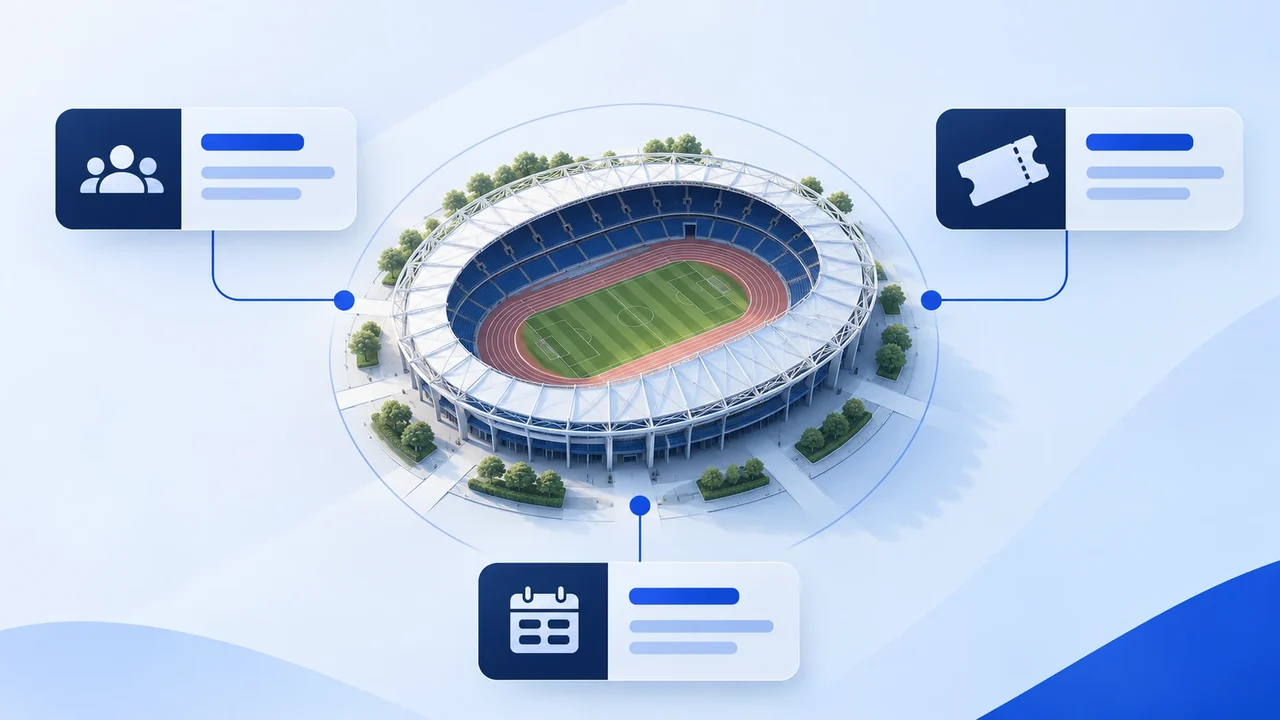
A sports organisation can have a large audience without having a useful understanding of the people in it. A data strategy connects the information needed to serve fans with the decisions, systems and teams that will use it.
Start with an outcome fans can recognise
Do not begin with a platform purchase or a target for the number of profiles collected. Start with a practical question: can fans discover a relevant event, buy tickets more easily, receive useful updates or manage a subscription without repeating themselves?
Translate that experience into a business objective. It might concern repeat attendance, membership renewal, subscription retention or sponsor activation with an appropriate permission model. Each outcome requires different information and operational responsibilities.
Map the information you already have
Ticketing, registration, subscriptions, ecommerce and email systems may describe different parts of the same relationship. Document what each system contains, why it was collected, what it can reliably identify and which uses are permitted.
A person appearing in two systems is not automatically safe to merge. Shared email addresses, guest purchases and changed details can create mistaken identity links. Decide how uncertainty will be handled and preserve the origin of important information.
Ask four questions before adding another tool:
- What information is missing for the customer or business decision?
- Where does the available information come from, and how reliable is it?
- Which team can act on it, through which system?
- How will we know whether the action helped?
Connect data to useful action
A customer record has little value if no one can use it to improve an experience. Define a few concrete journeys, such as first-event onboarding, pre-event information or a renewal reminder, and identify the minimum information each needs.
Specify triggers, suppression rules and ownership. Someone who has already renewed should not continue receiving renewal prompts because one system has not updated another. Failed handoffs need visible operational handling, not just another dashboard.
Evaluate three kinds of value
First, consider whether the information helps the organisation understand and serve its audience. Second, assess changes in a relevant outcome, such as renewal or repeat purchase. Third, look for operational improvements, such as fewer manual exports or conflicting communications.
These benefits are hypotheses to test, not guaranteed returns from buying a customer platform. Compare the cost of integrations, maintenance and staff time with demonstrated improvements. A simple, well-owned connection can be more useful than a large incomplete profile repository.
Build ownership into the strategy
Define responsibility for access, quality, retention and customer requests. Keep the system of record clear for each important field. Document what happens when a supplier changes or a data feed stops.
The sports LTV perspective explains why this relationship matters beyond a single event. Our PTO + T100 work provides context for connecting digital experience, marketing and technology in sport.
A workable data strategy begins with a small set of valuable journeys and the capability to maintain them. More collection is not a substitute for clear purpose and responsible activation.



What would you like to achieve?
Tell us what you want to change. We’ll help you find the right starting point.