

Understanding customer journey-based advertising
Connect channel roles, content, conversion and retention around customer decisions rather than isolated campaign metrics.
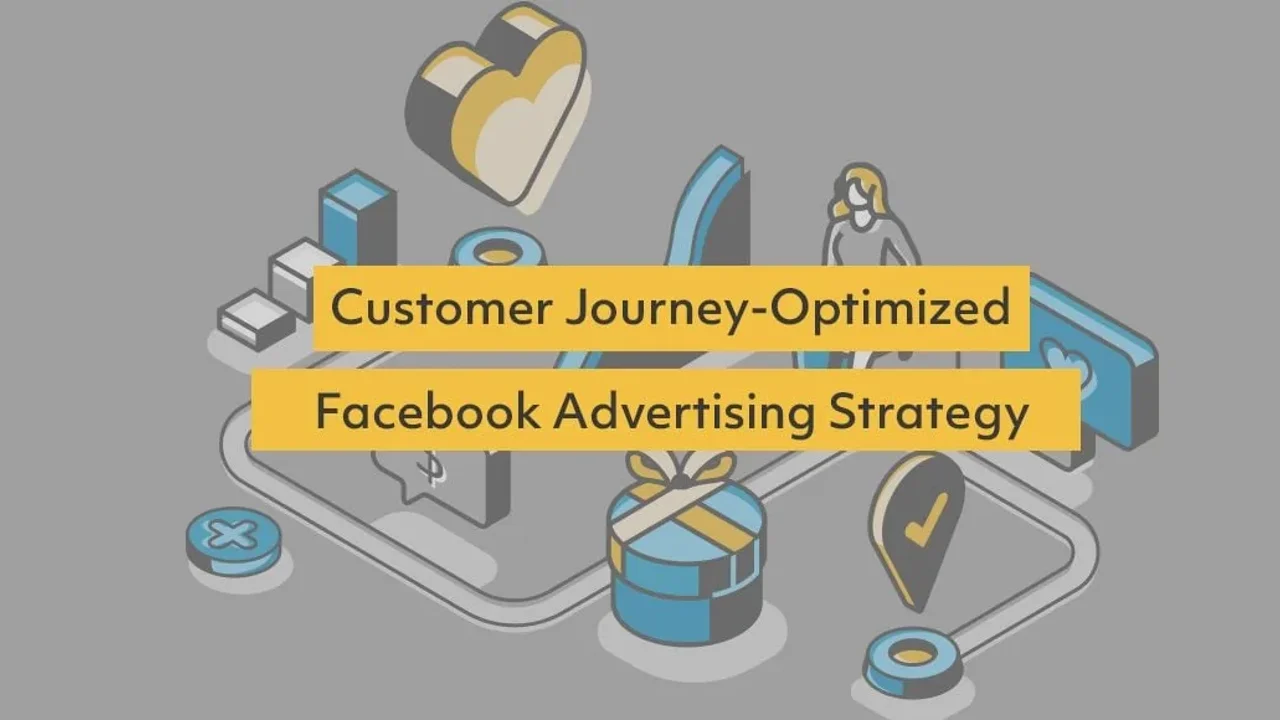
A customer's journey rarely follows the boundaries of an advertising account. Someone may discover an offer in one place, research it elsewhere, return later and continue the relationship after buying.
Map the decision, not just the funnel diagram
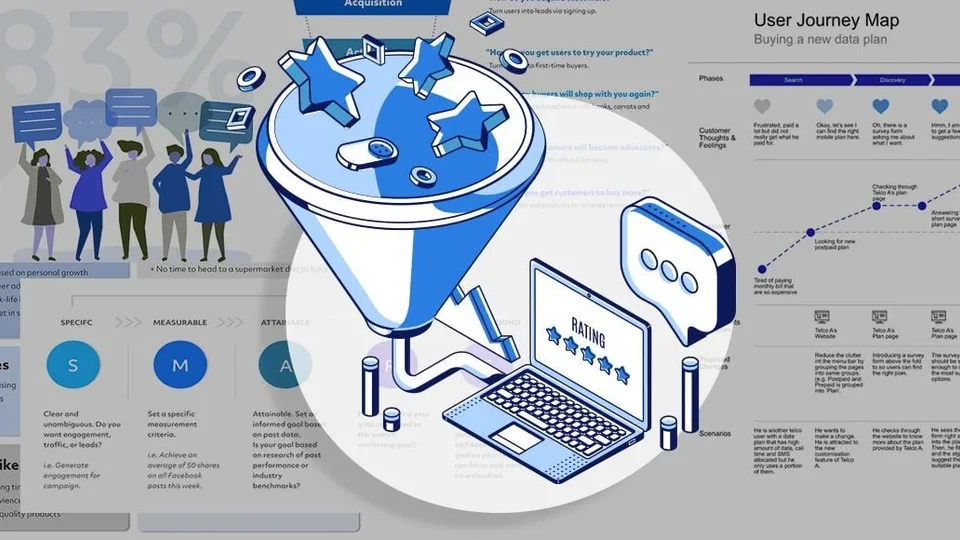
Awareness, consideration and conversion are useful planning labels, but they are not a universal sequence. People can skip stages, return to earlier questions or use several channels at once.
Start with what the audience needs to understand and what may prevent progress. Include service and operational input: an unanswered enquiry or confusing application can undermine a campaign that successfully generated interest.
Give awareness activity a useful destination
An introductory campaign should explain a relevant problem or opportunity and give someone a way to explore further. Creative needs to suit the channel and make the brand recognisable without assuming prior knowledge.
Measure whether the activity reaches the intended audience and contributes useful engagement. Do not demand that every introductory interaction behave like a ready-to-buy search query.
Support consideration with information and proof
Service explanations, product comparisons, case studies and useful articles can help someone assess the offer. Link campaigns to the material that answers the question they create.
Search, social, video, referrals and email can all contribute here. Choose their roles using customer behaviour and evidence rather than assigning each platform a permanent position in the funnel.
The content-strategy guide explains how to organise messages around these questions.
Make conversion part of the experience
Keep the promise consistent between the advertisement and the landing page. Explain the action, the information required and what happens after completion. Check mobile usability, validation and the operational response.
An accepted lead is a handoff, not the end of the process. Decide who follows up and how qualification or sales progression can be observed. A campaign optimised only for form volume may generate little useful business.
Plan retention and re-engagement
After a purchase or registration, the next useful interaction may concern onboarding, product use, event information or renewal. Coordinate these communications with actual customer status and appropriate permissions.
Avoid continuing acquisition messages after someone converts. Give existing customers a relevant route rather than making them restart as anonymous prospects. The automation process connects these events with communication and suppression rules.
Review the journey using several kinds of evidence
Combine channel reports with website behaviour, customer feedback and business records. Explain where attribution is incomplete and where different platforms assign credit to the same action.
The question is not simply which channel appears last. Ask where customers struggle, what each activity was intended to contribute and which change the available evidence can support.
Journey-based advertising connects media, content, digital experience and the ongoing relationship. It gives teams a shared customer problem to solve instead of separate numbers to maximise.


What would you like to achieve?
Tell us what you want to change. We’ll help you find the right starting point.