

Ecommerce marketing across the customer journey
Connect brand, paid media, product experience, checkout and lifecycle marketing with sustainable commerce economics.
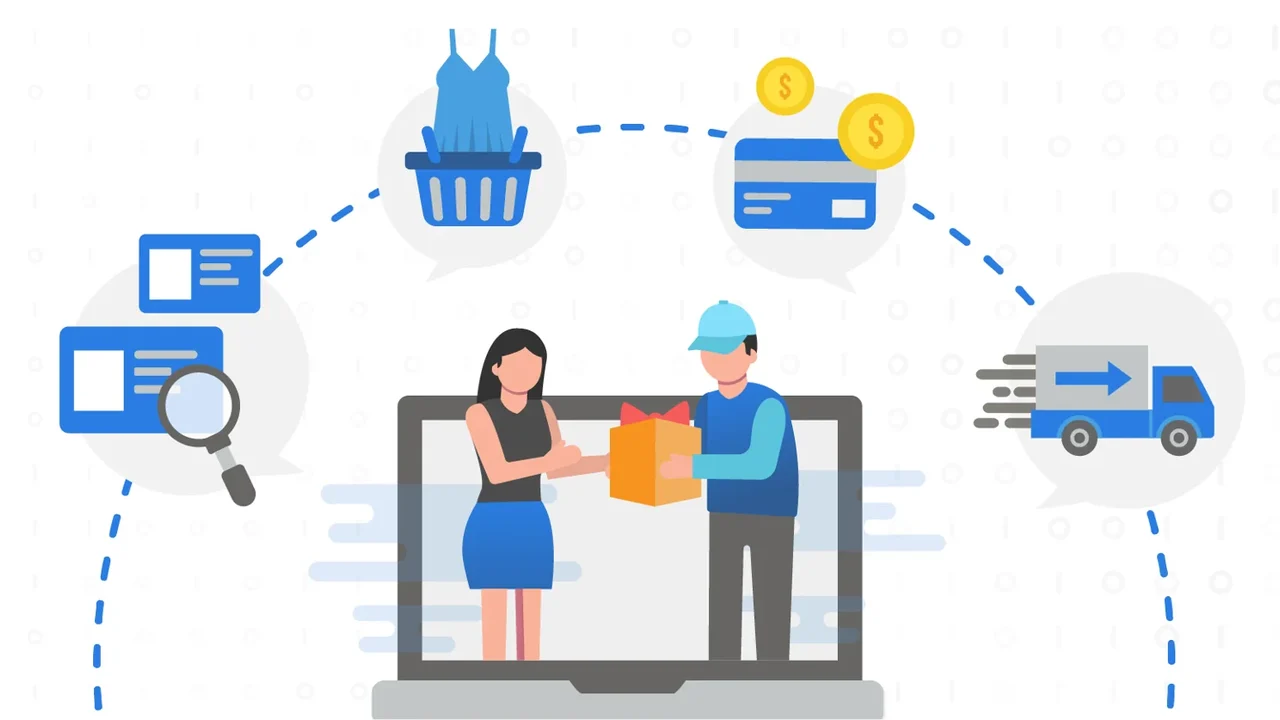
Commerce growth depends on more than buying visits to an online store. The message, product experience, checkout and customer relationship need to work together, with the economics of each order kept in view.
Make the brand recognisable across the journey
A customer should recognise the same business in an advertisement, on a product page and in an order email. Use consistent language and visual standards, while adapting the amount of information to the task.
Brand consistency is more useful than repeating the same asset everywhere. A campaign introduces a reason to care; a product page needs enough detail to support a purchase; a delivery email needs to be immediately understandable.
Give media and creative a shared objective
Decide whether a campaign is intended to acquire new customers, introduce a product or re-engage an existing relationship. Use creative that explains the offer and a destination that fulfils the promise.
For paid social, connect product information, campaign creative and the store's catalogue carefully. Check prices, availability, links and variant selection. Retargeting can support consideration, but a previously viewed product is not evidence that someone wants unlimited reminders.
Avoid building a strategy around one platform feature or one reported return. Look at ROAS alongside margin, acquisition cost and customer value. New-customer purchases and repeat orders can have different economics.
Help product pages answer buying questions
Online shoppers cannot inspect the item in person. Give them useful photography, accurate specifications, clear options and understandable delivery and return information. Show the information needed to choose without hiding essential details behind vague marketing copy.
Write descriptions for the customer rather than filling them with keywords. Descriptive headings, sensible page structure and meaningful image alternatives support both usability and discovery.
Measure where people struggle. A product-page exit can mean several things: the visitor found the wrong item, could not understand the offer, encountered an unavailable variant or was not ready to buy. The number alone does not identify the cause.
Reduce checkout uncertainty
Explain costs and fulfilment expectations early enough for a real decision. Make errors understandable, preserve entered information and provide suitable payment options. Test the complete checkout on mobile and with assistive technology where possible.
An abandoned cart is not automatically a recoverable sale. A reminder requires an appropriate communication basis and accurate knowledge of whether the order was subsequently completed. Suppress messages after purchase and avoid collecting unnecessary information simply to chase visitors.
Build a useful relationship after purchase
Confirmation, fulfilment, product guidance and relevant follow-up can make the next interaction easier. Segment communication using reliable purchase and preference information, with controls for frequency and opting out.
The seven-step automation process connects these messages to their triggers and measurement. Evaluate repeat purchase, retention and contribution over an appropriate period instead of assuming every email generated incremental revenue.
Our Flower Chimp and Sonno case studies show different commerce contexts. A useful strategy connects the channels and experience around each business's customers, rather than applying the same list of tactics to every store.



What would you like to achieve?
Tell us what you want to change. We’ll help you find the right starting point.